What Is Dental Bonding?
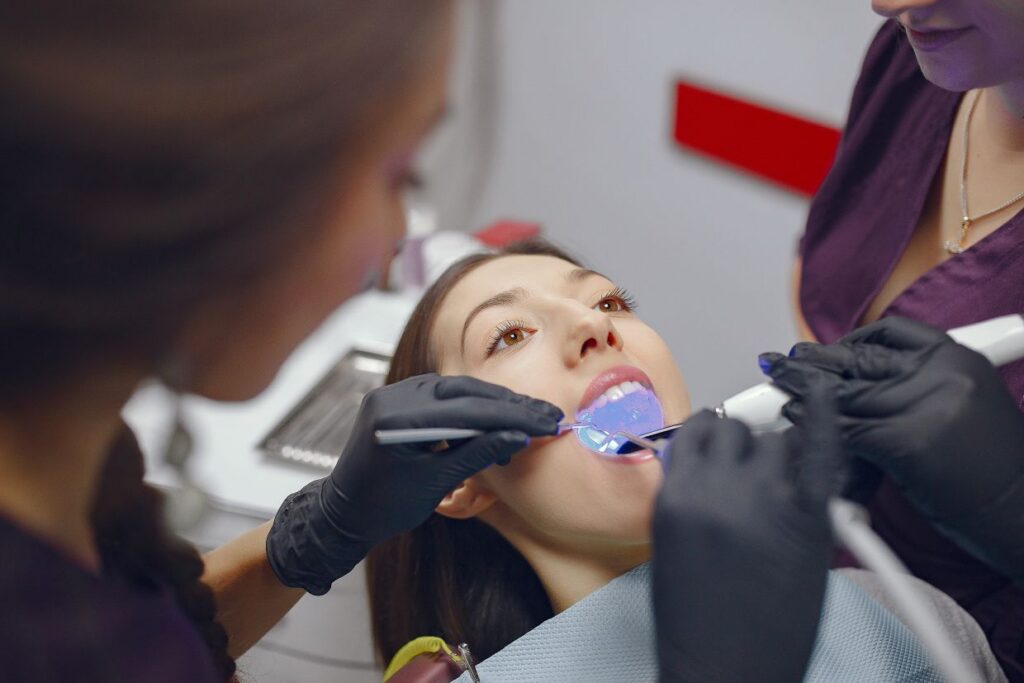
Dental bonding is a procedure in which a tooth-colored composite resin material is applied directly to the surface of a tooth, shaped by hand to achieve the desired result, hardened with a curing light, and polished until it blends seamlessly with the surrounding enamel.
The material used is the same composite resin we use for tooth-colored fillings, chosen and shaded specifically to match the natural color of your tooth. In the right hands it is remarkably versatile. Dr. Carson sculpts the material with care, working with the natural contours of your tooth to produce a result that looks like it was always there.
No molds sent to a lab. No temporary restorations to wear in the meantime. No multiple appointments stretched out over weeks. In most cases bonding is done start to finish in a single visit.
What Dental Bonding Can Fix
Chipped or Cracked Teeth
A chipped tooth is one of the most common reasons patients come to DTX Dental Studio asking about bonding, and it is one of the things bonding handles best. Whether the chip happened years ago during a fall or last week biting into something hard, composite resin can rebuild the missing portion of the tooth so precisely that the repair is virtually invisible.
Cracks that are limited to the outer enamel can also be addressed with bonding, both to improve appearance and to seal the surface against further damage. For anything more significant, Dr. Carson will let you know honestly whether bonding is sufficient or whether a crown would offer better long-term protection.
Gaps Between Teeth
Small to moderate gaps between teeth are something a lot of patients have quietly accepted as just the way their smile looks. Bonding offers a fast and affordable way to close or reduce those gaps without aligners, without orthodontic treatment, and without altering the natural tooth structure in any meaningful way.
We see patients from Vickery Meadow, Richardson Heights, and across Dallas who come in having lived with a gap for years and leave the same day with a smile that looks completely different. The reaction is almost always the same: they wish they had done it sooner.
Discoloration and Staining
Some staining does not respond well to whitening, whether it is internal discoloration from an old injury, staining from certain medications, or simply a tooth that has always been a slightly different shade than the ones around it. Bonding covers the discolored surface entirely with composite material matched to the shade of the surrounding teeth, giving you a uniform, consistent smile without the need for a veneer.
Uneven or Misshapen Teeth
Teeth that are shorter than they should be, slightly rotated in appearance, or simply irregular in shape can disrupt the overall harmony of a smile in ways that are hard to ignore once you notice them. Bonding allows Dr. Carson to add material, reshape contours, and adjust proportions so that everything sits in better balance. The changes are often subtle but the overall effect on the smile can be significant.
Why Bonding Stands Out as a Treatment Option
A Single Visit Is Usually All It Takes
Most bonding procedures are completed in one appointment. You come in, Dr. Carson applies and shapes the composite, cures it, and polishes the result before you leave. There is no waiting on a dental laboratory, no temporary restoration, and no second appointment to come back for. For patients with busy schedules across Dallas, that kind of efficiency matters.
Minimal to No Enamel Removal
One of the most important things to understand about bonding is how conservatively it is performed. In most cases, little to no enamel needs to be removed from the tooth surface before the composite is applied. That means the natural tooth structure is left almost entirely intact, which keeps your options open if you ever want a different treatment in the future.
Anesthesia Is Rarely Required
Unless bonding is being used to treat a cavity or a crack that extends close to the nerve, the procedure is typically comfortable enough to perform without any anesthesia at all. Most patients are pleasantly surprised by how straightforward and pain-free the experience is, especially compared to other dental procedures they may have had in the past.
Results That Look Completely Natural
The composite resin used in bonding at DTX Dental Studio is carefully shade-matched to your natural tooth color before the procedure begins. Once it is applied, shaped, and polished, the material takes on a sheen that closely mimics natural enamel. When the work is done well, there is nothing about the result that reads as artificial or added on.
An Accessible Alternative to More Costly Treatments
Bonding is significantly more affordable than veneers and involves a fraction of the preparation and commitment. For patients who want meaningful cosmetic improvement without a large upfront investment, it is often the smartest starting point.
Bonding vs. Veneers: Which Is Right for You?
This is a question that comes up often at DTX Dental Studio and it is worth addressing directly because the right answer genuinely depends on your specific situation.
Bonding and veneers both use tooth-colored materials to improve the appearance of the front surface of a tooth. The differences come down to material, longevity, cost, and how much preparation the tooth requires.
Veneers are custom-fabricated in a dental laboratory from porcelain or a similar material, which makes them more durable, more stain-resistant, and longer-lasting than composite bonding. They tend to hold their appearance better over many years and are often the preferred option when a patient wants a more dramatic transformation across multiple teeth. The trade-off is that traditional veneers require some enamel removal, involve a higher cost, and take multiple appointments to complete.
Bonding uses composite resin applied directly chairside. It is faster, less expensive, and requires little to no enamel preparation, but it is more susceptible to staining over time and may need to be touched up or replaced sooner than a veneer would.
For patients with minor cosmetic concerns, a limited budget, or a preference for the most conservative treatment possible, bonding is often the better first step. For patients who want a longer-lasting transformation across several teeth and are ready to make that investment, veneers may ultimately deliver a more satisfying result.
Dr. Carson will walk you through both options honestly during your consultation and give you his genuine recommendation based on your specific teeth, your goals, and your budget. There is no pressure in either direction.
How Long Does Bonding Last?
Bonding is not a permanent restoration but it is far from temporary. With proper care, composite bonding can last several years before it needs to be touched up or replaced. How long it holds depends on where it is placed, how well it is maintained, and whether habits like grinding or nail biting put extra stress on the material.
Avoiding highly pigmented foods and drinks in the days immediately following bonding helps the material set without taking on early staining. Beyond that, maintaining regular cleanings at DTX Dental Studio and good daily oral hygiene is the most reliable way to extend the life of your bonding.
When bonding does eventually wear or chip, the repair is typically straightforward and much less involved than the original procedure.
Serving Patients Across Dallas
DTX Dental Studio is located at 9090 Skillman St #283 in Dallas, TX 75243 and welcomes patients considering bonding from Lake Highlands, Vickery Meadow, Lochwood, Old Lake Highlands, Hamilton Park, Richardson Heights, University Estates, and surrounding Dallas communities. If a small cosmetic concern has been quietly affecting your confidence in your smile, bonding may be the simplest and most satisfying solution available.
Ready to See What Bonding Can Do for Your Smile?
The first step is simply coming in and letting Dr. Carson take a look. In many cases he can tell you right away whether bonding is the right fit for what you are hoping to achieve and get it done the same day. No lengthy consultation process, no waiting around. Just a fast, practical solution to something that has probably been on your mind longer than it needed to be.
Located at 9090 Skillman St #283, Dallas, TX 75243
Phone: (214) 340-2111
Monday through Thursday: 7:30am to 4:30pm